
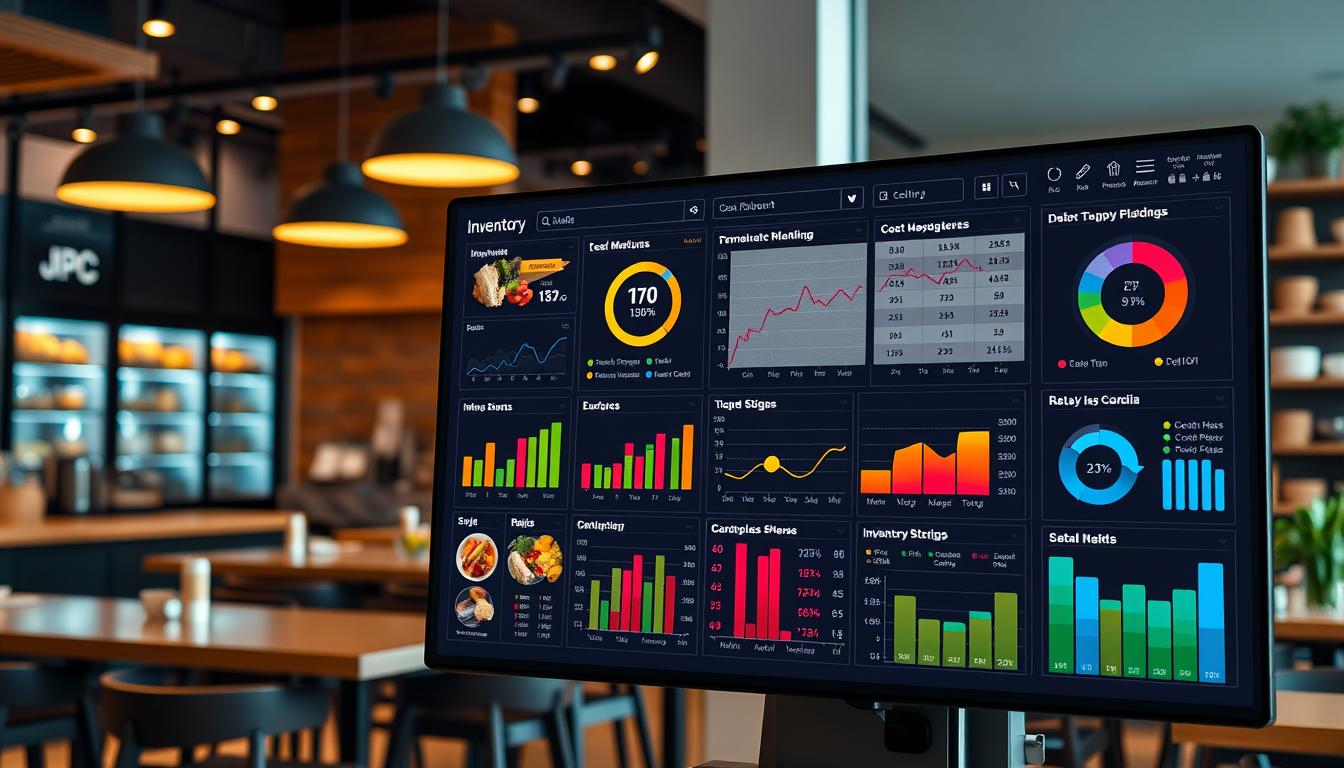
Restaurant account management is one of the most important factors that determine the success or failure of any restaurant in light of intense competition and high operating costs. Managing restaurant accounts professionally helps restaurant owners understand the real financial situation and make accurate decisions that ensure continuity, profits, and control of daily expenses. In this article, we highlight the concept of restaurant account management, its importance, and its role in controlling costs, improving financial performance, and ensuring sustainable growth for restaurants.
The concept of restaurant account management and its importance
Restaurant account management involves organizing and recording all financial transactions, including sales, purchases, expenses, salaries, and inventory. By implementing an advanced restaurant management system, restaurant account management helps provide a clear picture of financial performance, identify strengths and weaknesses, and achieve financial control that protects the restaurant from unexpected losses.
How does restaurant account management work?
- Restaurant account management relies on a set of financial and organizational procedures, including the following:
- Record all daily cash and electronic sales to ensure revenue accuracy
- Follow up on purchases and supplier invoices and link them to the quantities actually received
- Monitor operating expenses such as rents, electricity, water, and maintenance
- Manage employee salaries, incentives and discounts in an organized manner
- Track inventory movement and know consumption and waste rates
- Preparing periodic financial reports showing profits, losses and cash flows
- Analyze financial performance to make more efficient pricing and operating decisions
- Review fund spreads on a daily basis and ensure that recorded sales match available cash to reduce errors and manipulation
- Accurately determine the cost of meals by calculating the cost of ingredients for each item, which helps price dishes in a way that achieves an appropriate profit margin.
- Controlling food waste by analyzing the causes of spoilage or loss and developing practical solutions to reduce it
- Follow up on offers and discounts and ensure their real impact on profits and not just on sales volume
- Adhere to tax regulations and prepare returns on time to avoid fines and violations
- Use accounting systems and POS software to automatically and accurately link sales to inventory and accounts
- Prepare monthly and annual estimated budgets and compare them with actual performance to detect deviations and address them early.
- With this mechanism, restaurant account management becomes a strategic tool that helps restaurant owners improve financial performance, reduce risks, and make informed decisions that support growth and sustainability.
Steps to manage restaurant accounts and control costs
Managing restaurant accounts and controlling costs are essential elements for ensuring profit continuity and operating efficiency. These are the most important steps in managing restaurant accounts:
1. Track daily revenues
All daily sales, whether cash or electronic, must be accurately recorded to ensure the accuracy of financial statements and to accurately track performance. This also helps quickly detect any discrepancies or errors in advanced restaurant software, thus making appropriate decisions before problems accumulate. Monitoring daily revenues is a fundamental basis for controlling profits and planning for the financial future.
2. Purchasing and supplier management
Supplier invoices should be tracked and linked to actual quantities received to avoid waste or inventory shortages. Suppliers should also be negotiated to obtain the best prices and offers, and data should be analyzed using integrated restaurant management software to determine the best purchasing times. This process helps control direct costs and reduce unnecessary expenses.
3. Monitoring operating expenses
Expenses include salaries, electricity, water, and maintenance. All expenses must be carefully documented and reviewed periodically to identify areas where efficiency can be improved. This helps reduce waste and increase profitability. A monthly budget must be set that matches the size of the restaurant and the type of service provided to ensure cost control.
4. Use financial reports and analysis
A restaurant manager benefits from preparing regular financial reports that include revenues, expenses, profits and losses, as these analyzes help in understanding financial performance and making accurate strategic decisions, and the best restaurant management software currently available can be used to generate these reports periodically to facilitate follow-up and control costs.
5. Improving operational efficiency
This includes organizing work between different departments such as the kitchen, lounge, and inventory to reduce loss and increase productivity. Through the store and warehouse management program, employees can be trained to use resources optimally and reduce waste. These measures help reduce operational costs and increase the profitability of the restaurant in a sustainable manner.
6. Effectively monitor inventory
Inventory levels must be monitored continuously to avoid materials running out or accumulating, and this also helps when a smart program is available for restaurants and cafes to identify the best-selling and least in-demand products, and this monitoring contributes to reducing waste, improving the capital cycle, and increasing control over expenses.
7. Set prices thoughtfully
Food and beverage costs should be studied and appropriate selling prices should be set that cover expenses and generate profits. Specialized cafe management software can also use different strategies to price products according to the season or demand. Correctly setting prices is one of the most important tools for controlling costs and increasing profits.
8. Leveraging technology
Modern restaurant management systems help track sales, inventory, and expenses automatically and accurately. They can also explain how to manage restaurant accounts digitally and generate analytical reports that help make sound financial decisions. Using technology reduces manual errors, saves staff time, and increases operational efficiency.
9. Training employees on cost control
Training employees to manage resources effectively and avoid waste of materials and services. This also includes using restaurant and cafe accounting software to improve work methods and ensure compliance with financial procedures. This training reduces operational costs and continuously increases restaurant profitability.
10. Evaluate financial performance periodically
All financial reports and performance indicators should be reviewed periodically to identify strengths and weaknesses. This process helps in making strategic decisions to improve profits. Regular evaluation is a crucial step in ensuring cost control and achieving business sustainability.
Conclusion:
Restaurant account management and cost control are the foundation of any restaurant's success and continuity in the market. Revenue tracking, purchasing management, expense monitoring, and the use of financial reporting contribute to improved performance and increased profitability. Employee training, the use of technology, and periodic financial performance evaluations enhance the ability to make accurate and sound decisions. Ultimately, implementing these steps leads to a more organized restaurant, higher profitability, and long-term financial sustainability.
other topics:
Fixed Assets And Custody Management Syste
reference:
1. << Management Accounting>>, businessnewsdaily
2. <<Sage Business Cloud Accounting Review and Pricing>>, business
Add New Comment