
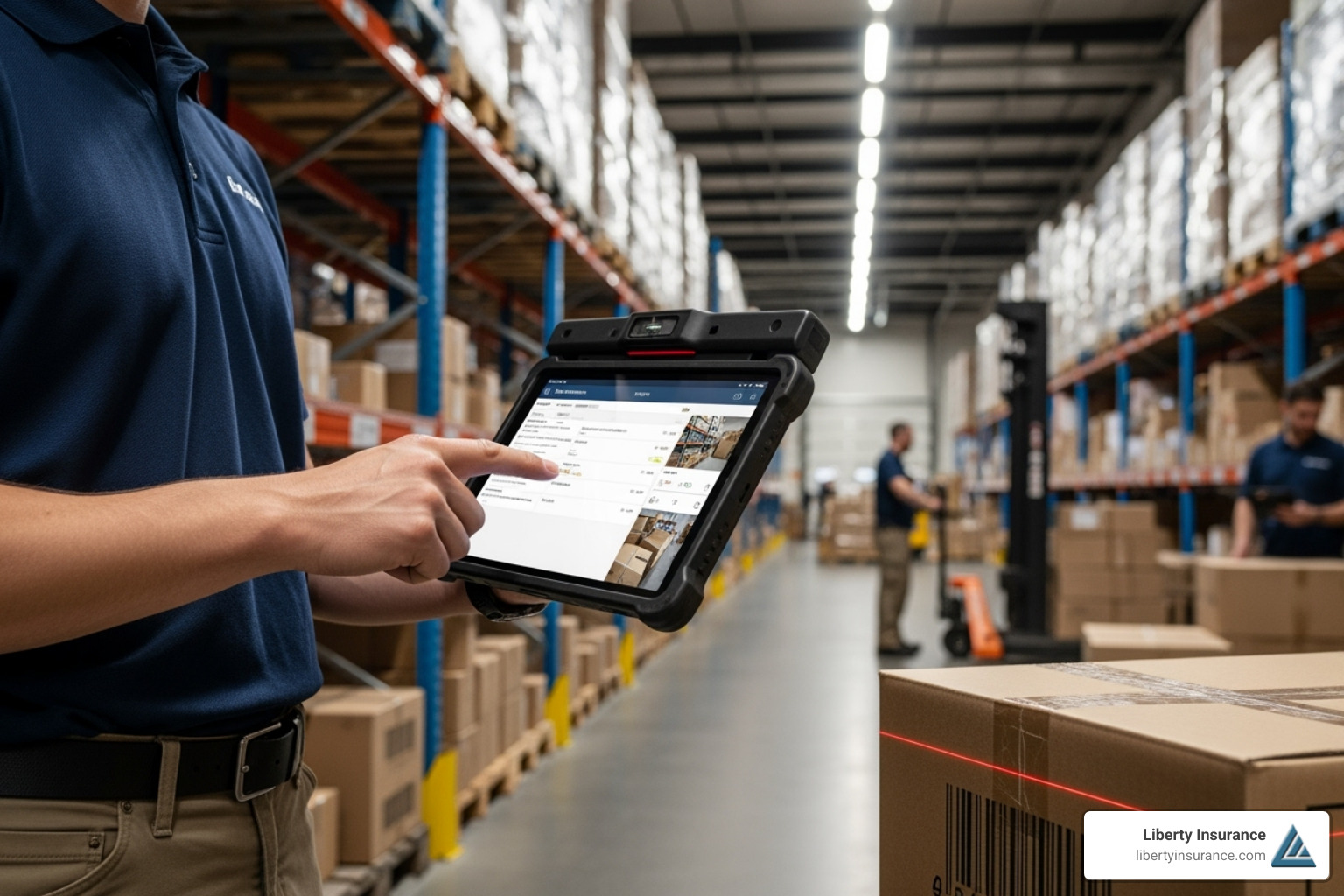
The food and beverage sector in Saudi Arabia is witnessing rapid acceleration; therefore, traditional warehouse management is no longer sufficient to remain competitive. Relying on specialized accounting software for restaurants represents a qualitative shift from guesswork-based operations to data-driven management. In this article, we will dive into the secrets of transforming your restaurant's accounting software into a smart tool for inventory management and profit generation.
The Role of Accounting Software in Controlling Inventory Movement
The role of accounting software in controlling inventory movement is evident in several technical and administrative aspects, starting from:
1. Automatic Linking Between Sales and Raw Materials
The first secret provided by any professional accounting software is the "automatic deduction" of ingredients. When the cashier completes an order, the restaurant accounting software immediately analyzes the meal components (meat, vegetables, sauces) and deducts them from the available stock. This synchronization prevents data conflict and gives you a real-time image of your stock.
2. Controlling Food Costs
Restaurant accounting software helps you determine the cost of each dish with extreme precision. By entering purchase prices from suppliers, the accounting and warehouse software calculates the average cost of raw materials, making it easier to:
- Determine a fair selling price that ensures a rewarding profit margin.
- Discover meals that consume expensive materials without achieving sufficient returns.
3. Alerts and Reorder Point Management
Avoiding work stoppages due to the depletion of a basic item is a key task of accounting software. You can set a "safety limit" for each item; once the quantity reaches this limit, the system issues an immediate alert or prepares a suggested purchase order.
4. Reducing Waste via Analytical Reports
Waste is the hidden enemy of profits. Accounting software allows you to record and classify waste (expired, preparation errors). By analyzing this data through restaurant management software, management can take decisive decisions to reduce loss.
5. Inventory Reconciliation and Tax Compliance
In the Saudi market, accounting software must support ZATCA requirements. Additionally, the software provides an inventory matching feature (Actual vs. Book), which proactively reveals any shortages or tampering.
6. Branch and Central Warehouse Transfer Management
If you manage multiple branches, advanced accounting software allows you to monitor material movement between branches accurately. Through restaurant and cafe management software, you can issue transfer orders from the central warehouse to a specific branch instantly.
7. Variance Analysis
This is a powerful control tool where the accounting software compares "theoretical" consumption (based on sales) with "actual" loss. If the restaurant accounting software finds a large gap, it alerts management to portion control issues or unexplained leakage.
8. Integration with Digital Supplier Systems
Modern accounting software allows for digital invoice imports. This means quantities and prices enter the best cafe accounting software automatically upon receipt, reducing human entry errors.
9. Profitability Reports Based on Item Movement
Accounting software analyzes inventory turnover, showing "dead" items that consume storage and liquidity without return, and "best-selling" items that need increased orders.
10. Financial Security and Fraud Prevention
Accounting software provides audit trails for every movement. No invoice or voucher can be deleted or modified in the accounting program without leaving a trace, protecting the owner's investment.
11. Internal Production and Manufacturing Management
Large restaurants use advanced accounting software to manage pre-preparation in central kitchens, converting raw materials into semi-finished goods while calculating operational costs accurately.
12. Future Demand Forecasting
Smart accounting software relies on historical sales data in the Kingdom to predict future requirements, helping owners avoid overstocking or shortages during peak seasons.
13. Expiry Management (FIFO)
Professional accounting software offers a "First-In, First-Out" tracking feature, alerting staff to consume older shipments first to ensure food quality and reduce waste.
14. Monitoring Fixed Assets for Warehouses
The function of accounting software extends to monitoring stored tools, equipment, and consumables, tracking employee custody and cleaning supplies usage.
15. Data Integration with Cloud Reports
Remote access via cloud accounting software is a modern management secret. Managers can monitor stock and inventory movements from their mobile phones anytime via the best restaurant management software.
Conclusion:
Restaurant inventory management today is no longer just about shelf organization; it is a comprehensive financial strategy. Having a strong and flexible accounting software is the cornerstone of success for any restaurant in the Saudi market.
other topics:
reference:
1.<<POS Systems for Small Business>>، kaleidoscot
2.<<POS Meaning – Definition of Point of Sale System>>, miamiherald
Add New Comment