

Protecting capital assets is considered the cornerstone of sustainable growth for major companies. Maintaining fixed assets requires following a precise technical methodology that ensures tracking the lifecycle of each asset from the moment of purchase until depreciation. In this article, we will review how digital transformation in Asset and Custody Management contributes to controlling personal custody and improving internal oversight with high efficiency.
The Difference Between Fixed Asset Management and Custody Management in Simple Terms
Simply put, asset and custody management is the process a company performs to track every "valuable" thing it owns, ensuring it is not lost or damaged, and knowing its location at any moment.
Here is the difference between them in simple terms:
1. Fixed Assets Management:
It focuses on the large items that the company purchases to use for a long period (more than a year) and not for the purpose of resale, such as:
- Buildings and lands.
- Fixed machinery and equipment.
- Computers and servers.
- Company cars and vehicles.
Management Goal: Calculating the value of these assets, monitoring their consumption (depreciation) over time, and scheduling periodic maintenance to ensure work continues efficiently.
2. Custody Management (Trust):
It focuses on delivering company assets to a specific employee who is legally and administratively responsible for them, and includes:
- Permanent Custody: Such as a laptop or a car that stays with the employee throughout their employment period.
- Temporary Custody: Such as a projector received for a specific use and then returned on the same day.
Management Goal: Knowing "who has what?" to ensure the recovery of property upon completion of the mission or the departure of the employee, and to reduce waste and misuse.
In Short:
- Fixed Asset Management is concerned with the asset itself, its value, and its depreciation.
- Custody Management is concerned with tracking who possesses the asset and how it is used.
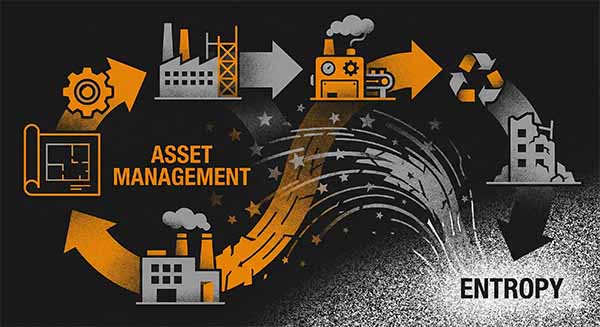
Why Do We Need a Digital System to Link Asset and Custody Management?
Managing custody and assets today requires an integrated digital system to link them together to achieve accurate and transparent management, reduce waste, and ensure assets are utilized with maximum efficiency for the following reasons:
- Full Asset Tracking: An Asset and Custody Management Program allows knowing the location of each asset or custody from purchase until disposal or replacement.
- Reducing Loss and Waste: An Asset and Custody Management Program prevents the loss or misuse of custody resulting from relying on paper documentation only.
- Clear Responsibility: An Asset and Custody Management Program links each custody to the employee or department responsible for it to define responsibilities accurately.
- Quick Periodic Inventory: An Asset and Custody Management Program ensures issuing immediate inventory reports without the need for exhausting manual counting.
- Preventing Duplication in Purchasing: Through an Asset and Custody Management Program, you can view available assets in real-time to avoid unnecessary purchases.
- Managing Accounting Depreciation: An Asset and Custody Management Program allows for automatic depreciation calculation linked to financial reports.
- Preventive Maintenance: An Asset and Custody Management Program issues maintenance alerts before costly breakdowns occur.
- Documenting Internal Transfer: An Asset and Custody Management Program records all internal custody and asset transfers electronically for accurate auditing.
- Decision Support: An Asset and Custody Management Program provides analytical data that helps management evaluate operating costs and return on assets.
- Enhancing Oversight and Compliance: An Asset and Custody Management System limits tampering and misuse through a clear and transparent oversight system.
Administrative Characteristics in Asset and Custody Management
Asset and custody management is characterized by a set of administrative features that make the process more accurate and professional, including:
1. Systematic Planning:
It includes developing precise strategies for purchasing assets and distributing custody within the facility. This planning aims to ensure the optimal use of each asset, reduce financial and material waste, and control operational costs.
2. Complete Documentation:
This relies on recording every asset or custody in detailed electronic records. This documentation in Asset and Custody Management facilitates internal and external audit processes and ensures the availability of accurate data.
3. Responsible Distribution:
This aims to link each asset to the responsible employee or department, ensuring precise definition of responsibilities and enhancing accountability.
4. Internal Oversigh:
This involves monitoring the use of assets according to clear policies, including maintenance alerts and monitoring consumption rates to improve the quality of services provided.
5. Periodic Inventory:
Periodic inventory in Asset and Custody Management is the process of regular verification of the existence of assets and matching them with official records to discover losses or malfunctions early.
6. Financial Integration:
This feature works on linking all assets to the facility's accounting system. This integration through an Asset and Custody Management Program allows for monitoring accounting depreciation and operational costs.
7. Data-Driven Decision Making:
Digital asset and custody management provide analytical data that helps management make sound strategic decisions and prioritize maintenance and renewal based on actual needs.
8. Security and Confidentiality:
This ensures the protection of asset and custody data from unauthorized access through defined permission systems and encryption techniques via Asset and Custody Management Programs.
9. Operational Flexibility:
Providing the ability to adjust distribution or use policies quickly and effectively to meet urgent needs or operational changes within the facility.
10. Continuous Development:
Focusing on constantly updating procedures and systems to keep pace with technical development and improve administrative performance.
Conclusion:
Effectively managing custody and assets requires more than just recording assets; it requires an integrated administrative system that combines planning, digital documentation, and financial integration. The administrative characteristics explained ensure transparency, accountability, and the reduction of waste.
Other topics:
Fekrait’s Software for Restaurant and Coffee Shops Management
Add New Comment