
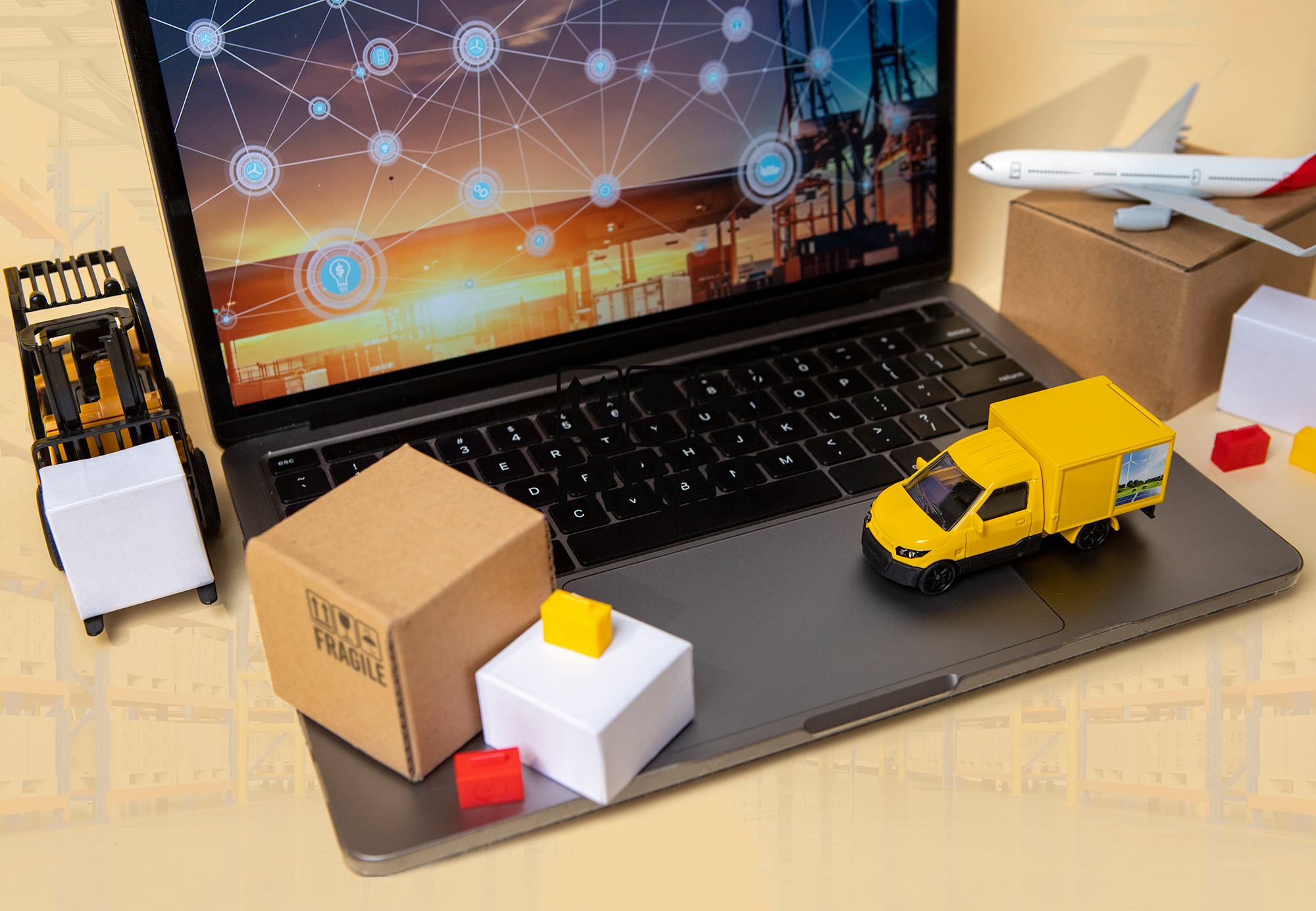
Supply chain management is one of the most prominent challenges facing modern companies, as it requires precise coordination between various departments to ensure that products reach customers on time and with high efficiency. The ERP system is one of the most important tools that help organizations integrate all operational processes into one platform, which provides a comprehensive view of all stages of the supply chain and facilitates accurate shipment tracking, inventory management and performance analysis In this article, we will learn about the role of the ERP system in managing the supply chain, and how the system contributes to improving operational processes.
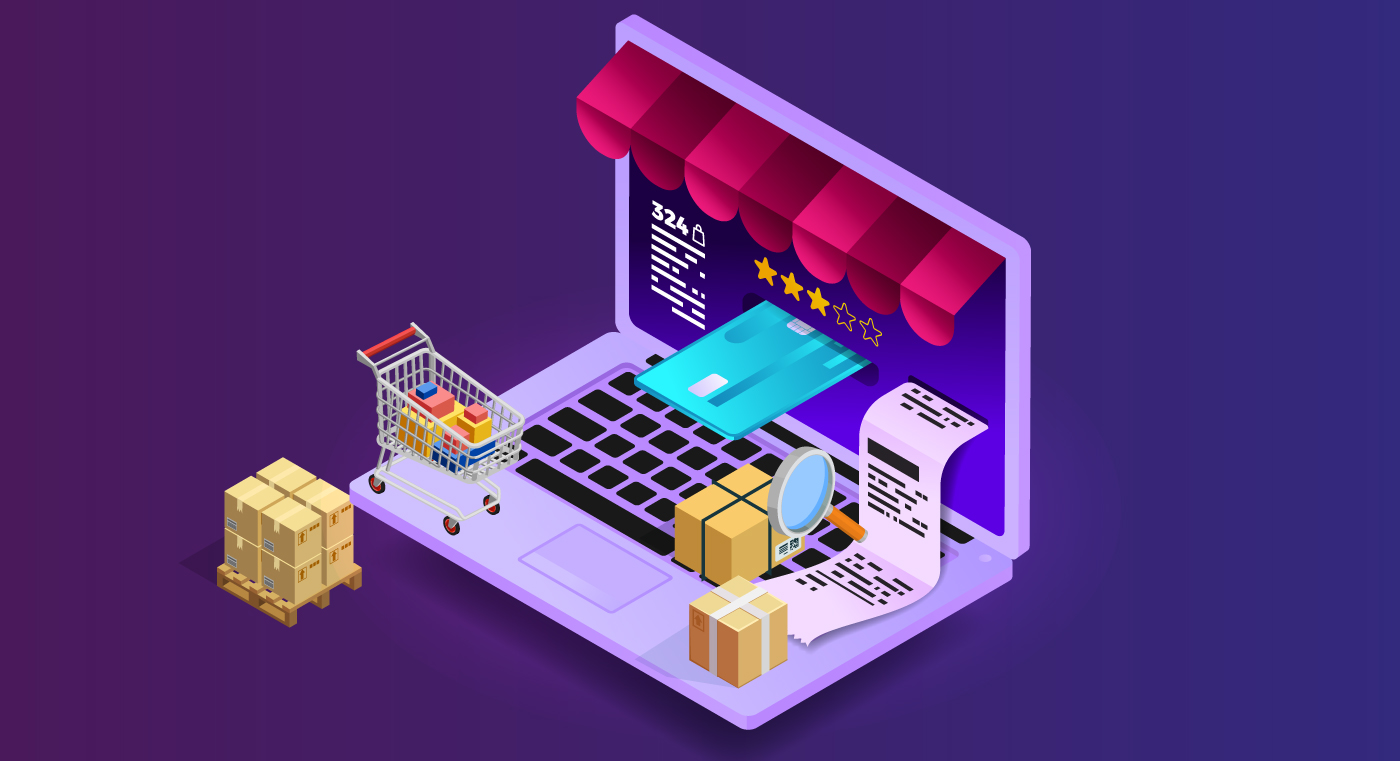
The ERP system and its role in the supply chain
The success of supply chain management depends largely on an ERP system that integrates all operational processes into a single, integrated system. ERP software enables continuous tracking of orders and shipments, inventory management, and performance analysis. ERP contributes to improved collaboration between different departments within an organization and enables simultaneous production monitoring and financial and human resource planning.
The ERP system also helps reduce waste, improve delivery speed, contribute to improving data accuracy, and making strategic decisions based on accurate information, and the ERP system is considered an indispensable tool for enhancing business efficiency and achieving integration between all processes.
The role of the ERP system in tracking shipments
Shipment tracking is one of the most important steps in supply chain management, and the ERP system plays a pivotal role in simplifying this process and improving its accuracy. This is what it does:
- The ERP system enables companies to track each shipment from the moment of departure until it reaches the end customer
- The ERP system allows real-time shipment location and delivery time analysis
- The best ERP system helps to identify any potential delays and take preventive measures before any problem occurs
- The ERP system contributes to improving logistics planning and integrating transportation information with inventory data
- The system provides a comprehensive view of all operations to ensure accurate and reliable shipping
Inventory management in supply chains and the role of ERP software
Inventory management is one of the most important elements of a successful supply chain. The ERP program helps companies organize and track all available materials and improve operational efficiency by:
- Automatically track and update inventory levels based on purchases and sales
- The ERP system enables companies to accurately know the available materials and the required quantities
- Reduce surplus and inventory shortages and improve resource management
- Analyze material flow and identify the most commonly used inventory
- ERP corporate management software facilitates the preparation of periodic reports for inventory control and performance analysis.
How to manage an ERP accounting system for supply chains
Managing an ERP system for supply chains requires understanding the relationship between financial, administrative, and supply chain operations. An ERP accounting system accurately tracks resources, costs, and inventory. Here are the basic steps of the system:
1. Planning and data connectivity
- An ERP system connects the accounting, purchasing, inventory, and sales departments to standardize data.
- An ERP system plans resources by identifying material needs, expected costs, and budgets based on inventory movement and sales.
- Define purchasing, inventory, and financial collection policies so that they are automatically applied across the system.
2. Inventory and materials management
- Real-time inventory tracking (Real-Time) to avoid shortages or surpluses.
- Erp accounting software records every movement of inventory, whether it is buying, selling, or transferring between warehouses.
- Analyze inventory turnover and identify materials that are most consumed or remain for long periods.
3. Purchasing and supplier management
- Automatically issue purchase orders based on target inventory.
- Link invoices with purchase orders to ensure the accuracy of financial statements.
- Evaluate suppliers by performance, cost and punctuality.
4. Sales and customer management
- Record customer orders and link them to inventory and delivery.
- The ERP system automatically tracks payments and invoices.
- Analyzes revenue by products and customers to evaluate financial performance.
5. Accounting and financial reporting
- Automatically record financial transactions (inventory movements, purchases, sales).
- Preparing accurate budgets and financial analyses to evaluate profitability and efficiency.
- The ERP system produces periodic reports (daily/monthly/annual) that help in making decisions.
6. Performance monitoring and decision making
- An ERP system uses control panels to monitor inventory, revenue, costs, and payments.
- Analyze KPI performance indicators such as unit cost, profit margin, and supply time.
- Make strategic decisions based on reliable data to protect liquidity and reduce waste.
ERP System Management for Human Resources of Supply Chains
Managing the ERP system for human resources in supply chains plays an important role in improving operational efficiency and ensuring workforce organization, and this role can be explained in several main axes:
1. Manage employee data and monitor performance
- Store all employee data related to salaries, attendance, vacations, and training in a central system.
- Track employee performance in different supply chain departments, such as warehousing, shipping, and purchasing.
- Facilitating management decision-making based on accurate data about the workforce.
2. Recruitment and workforce planning
- An ERP system helps identify staffing needs based on production volume, inventory, and shipping traffic.
- The ERP system enables HR to plan the workforce to cover peak times in supply chains, such as seasons or increased demand.
3. Payroll and benefits management
- The ERP system links salaries with attendance and leave records to avoid errors.
- It facilitates the calculation of rewards and incentives associated with employee performance, such as punctuality or work efficiency in the supply chain.
4. Training and employee development
- The system tracks training programs related to logistics and inventory management skills.
- Helps improve employee skills to suit the operational challenges of supply chains.
5. Data analysis and decision making
- The ERP system provides accurate reports on individual and group performance, supporting improved recruitment processes, training, and optimal workforce distribution.
- An ERP system for human resources contributes to reducing operational costs by improving the use of human resources.
6. Integration with other ERP departments
- Connects HR to supply chains via ERP to make everything compatible: inventory, shipping, sales, and production.
- Ensures that there is no staff shortage at any stage of the supply chain due to advance planning and updated data.
Conclusion:
Reflecting its vital role in transforming the traditional supply chain into an intelligent and connected one, from shipment tracking to inventory management, ERP provides companies with effective tools to improve operations, reduce waste, and increase operational efficiency, making it a necessary investment in the modern business environment.
Other topics:
Fekrait’s Software for Restaurant and Coffee Shops Management
Fixed Assets And Custody Management System
reference:
1. << Management Accounting>>, businessnewsdaily
2. <<Sage Business Cloud Accounting Review and Pricing>>, business
Add New Comment